

Our Mission
Making Water Waste Visible
Some of the biggest problems in plumbing and heating systems are the ones nobody sees.
Hidden faults, unnoticed discharge, wasted water, wasted energy and preventable system failures cost homeowners, landlords, installers and businesses millions of pounds every year.
For too long, the industry has accepted these issues as unavoidable.
We don’t.
Our mission at hotun is simple:
To make water waste visible.
Through practical innovation, installer-led design and technical expertise, we develop products that help identify hidden faults earlier, reduce waste and improve system performance
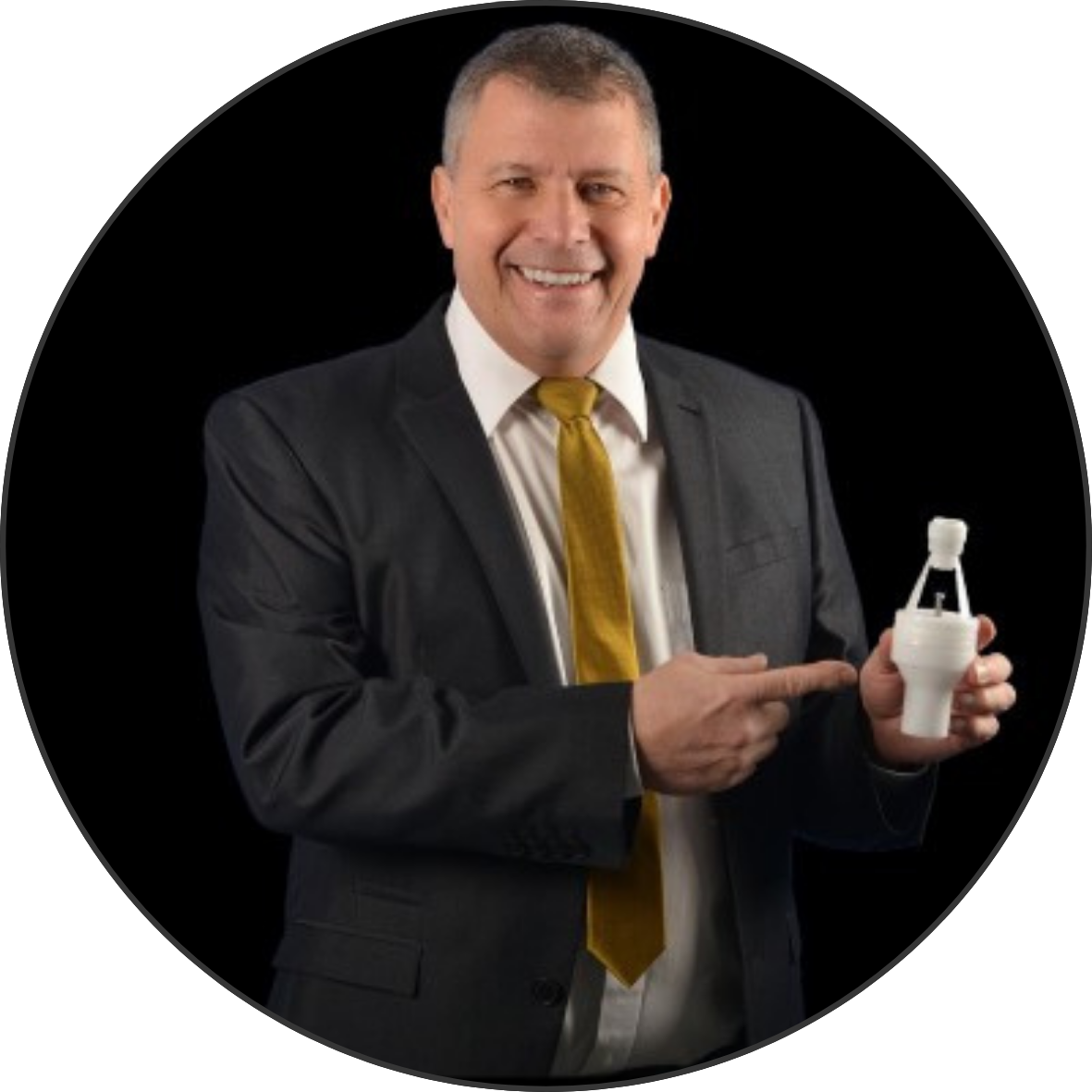
Designed by an Installer. Built for Installers.
RA Tech UK was founded on a simple principle: the best products solve real-world problems.
Our products are developed as an answer to genuine installation challenges encountered by heating and plumbing professionals every day.
This installer-first philosophy has led to a portfolio of pioneering products that combine simplicity, practicality and innovation.
The best ideas have always come from experience.
Industry-Leading Innovation
Innovation is at the heart of everything we do.
The hotun range of products has transformed the traditional tundish from a passive compliance component into an active part of system protection and fault detection.
This includes the development of:
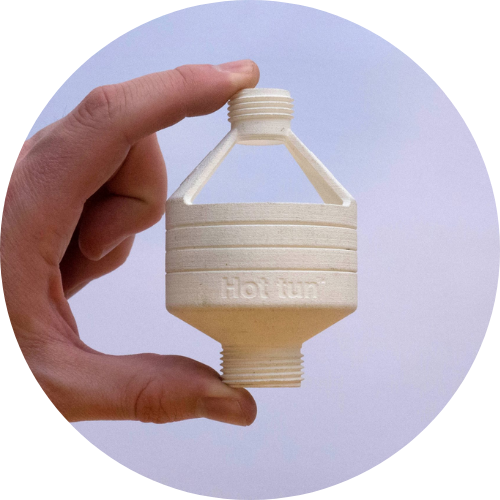
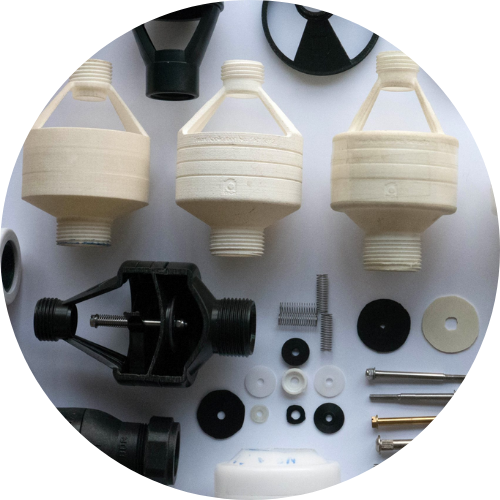
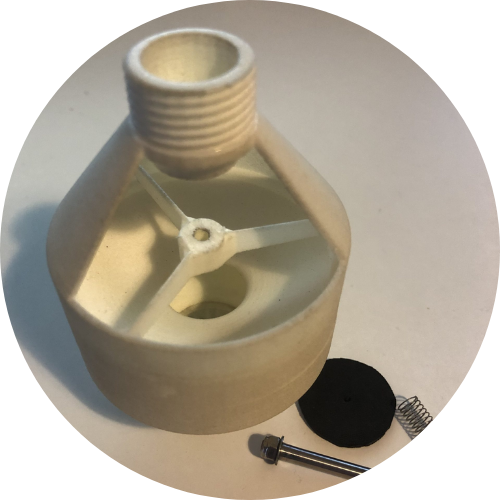
hotun
The innovative dry-trap tundish designed to eliminate foul odours and improve installation flexibility.
hotun detect
The world’s first in-tundish audible and visual discharge alarm.
hotun detect remote
The evolution of hotun detect, providing remote fault notification for concealed or inaccessible installations.
Each product has been developed to solve a genuine industry challenge while remaining simple to install and easy to understand.
Award-Winning Solutions
Our commitment to innovation has earned industry recognition and helped establish RA Tech as one of the most forward-thinking manufacturers within the plumbing and heating sector.
Our products continue to gain recognition for their contribution to:
· Fault detection
· Installer convenience
· Product innovation
· Sustainability
· System protection
· Water safety
We are proud to work with manufacturers, distributors, merchants, installers and industry organisations across the UK.
To see all of our awards and recognitions for our products, click here
Reducing Water & Energy Waste
Unnoticed discharge can result in significant water and energy loss.
A small fault can remain hidden for weeks or even months before being discovered.
The consequences can include:
· Customer dissatisfaction
· Emergency repair costs
· Higher running costs
· Increased energy consumption
· Reduced system efficiency
· Wasted heated water
RA Tech products are designed to help identify these issues earlier and support a more proactive approach to maintenance and system management.
Supporting Industry Best Practice
We believe manufacturers have a responsibility to do more than simply supply products.
We actively support the plumbing and heating industry through:
· Industry events
· Innovation and product development
· Installer engagement
· Product education
· Technical guidance
· Thought leadership
Our goal is to contribute positively to the future of the industry.
Trusted Across The Industry
RA Tech products are specified, supplied and installed throughout the UK by a growing network of:
· Building services professionals
· Developers
· Heating engineers
· Housing providers
· Independent merchants
· National distributors
· Plumbing contractors
This trust has been built through a commitment to quality, innovation and practical engineering.
Looking Forward
As buildings become smarter, more efficient and more connected, the need for earlier fault detection and improved water safety will only continue to grow.
RA Tech remains committed to developing products that solve real problems, reduce waste and improve the performance of plumbing and heating systems.
We will continue to challenge conventional thinking, support installers and create solutions that make water safety visible.
The earlier a problem is detected, the better the outcome for all concerned.
Read Our Knowledge Base
What is a tundish?
A tundish is a device used to catch, funnel, and regulate the flow of a liquid. It functions as a visible safety indicator in plumbing and heating systems.
What does a tundish do?
If the pressure or temperature inside the hot water cylinder gets too high and the relief valve opens, water or steam is forced out. The tundish allows you to visually monitor the system so you can easily spot discharge and take the appropriate corrective action. In addition to this, a tundish provides a physical gap (“air gap”) between the drainage pipe and the heating system thus preventing waste water or odours contaminating the clean (potable) water supply,
Why is visibility of discharge important?
Seeing water continuously dripping or flowing through the tundish means the relief valve is working, but it signals an underlying fault (like a failing expansion vessel) that requires a professional engineer. Visibility of discharge is also a requirement of Part G3 of the Building Regulations in England and Wales.
The evolution of the tundish
Traditionally, tundishes have been passive components. However, modern innovations such as hotun and hotun detect are transforming the role of the tundish from a simple compliance component into an active fault detection solution.
As plumbing and heating systems become increasingly concealed within buildings, making discharge events visible is becoming more important than ever.
Why does a tundish discharge water?
In most circumstances, a tundish should remain dry. If water is flowing through it, the system is alerting you to a problem in the system. This is typically a failing expansion vessel.
The purpose of a tundish
A tundish is a safety device used in unvented hot water and central heating systems. It acts as a visible visual warning and an air break between pipes. If a fault causes pressure or temperature to rise, the pressure relief valve opens, allowing the tundish to catch and safely redirect escaping water
What are the common causes of discharge?
Expansion vessel problems
One of the most common causes of tundish discharge is a failed or incorrectly charged expansion vessel. Without adequate expansion capacity, system pressure rises as water heats up, causing the relief valve to operate.
Faulty pressure reducing valves
If incoming mains pressure exceeds design limits, excessive system pressure can result.
Debris in relief valves
Limescale or debris may prevent a relief valve from fully reseating after operation, leading to continuous dripping.
Thermostat or control issues
Temperature control faults can cause overheating, activating temperature relief protection.
Why you shouldn't ignore discharge through a tundish
Even a small but continuous discharge can waste significant amounts of water over time.
Because that water has already been heated, energy is also wasted.
In some installations, discharge can continue unnoticed for weeks or months before a fault is discovered.
This is one reason why discharge monitoring solutions such as hotun detect and hotun detect remote are becoming increasingly popular.
How much water can a faulty expansion vessel waste?
A faulty expansion vessel is one of the most common causes of discharge through a tundish.
Unfortunately, it is also one of the easiest faults to overlook.
Understanding the Problem
As water heats up, it expands. An expansion vessel absorbs this increase in volume and helps maintain safe system pressure.
When the vessel loses charge or fails completely, pressure can rise significantly during heating cycles. The system then protects itself by discharging water through the pressure relief valve.
The hidden cost
A small drip may not seem like a problem. However, a continuous drip over days, weeks or months can result in substantial water loss. More importantly, every litre discharged has already been heated. That means energy has been consumed before the water is wasted.
The real impact
The consequences can include:
- Increased water bills
- Increased energy bills
- Reduced system efficiency
- Additional wear on components
- Customer dissatisfaction
- Unnecessary service visits
Early detection
The sooner discharge is identified, the sooner the underlying fault can be corrected.
Historically, many discharge events have remained unnoticed because tundishes are often installed in lofts, cupboards or concealed locations.
Innovations such as hotun detect remote help address this challenge by providing an audible and visual alert when discharge occurs.
Making faults visible is one of the most effective ways to reduce unnecessary water and energy waste.
Understanding part G3 of the building regulations (2010)
G3 refers to Part G3 of the Building Regulations in England and Wales, which covers hot water supply systems and, in particular, unvented hot water storage systems.
Because unvented cylinders operate under mains pressure, they must incorporate specific safety devices to protect occupants and property.
These include:
- Temperature and pressure relief valves
- Expansion control devices
- Correct discharge pipework
- A visible means of observing discharge
The purpose of these requirements is to ensure any excess pressure or temperature can be relieved safely.
Why is compliance important
A properly installed G3-compliant system protects against potentially dangerous operating conditions.
However, compliance should not be viewed as a box-ticking exercise.
A compliant installation that develops a fault may still discharge water unnoticed for extended periods, leading to water waste, energy loss and avoidable maintenance issues.
Beyond compliance
At RA Tech, we believe compliance should be the starting point, not the finish line.
Innovations such as hotun detect and hotun detect remote help installers and building owners identify discharge events sooner, supporting better maintenance and improved system performance.
What is an unvented hot water cylinder?
Unvented hot water cylinders are popular in homes, apartments and commercial buildings across the UK.
They offer excellent hot water performance, but they also require specific safety measures and professional installation.
How do unvented cylinders work?
Unlike traditional vented systems, an unvented cylinder is supplied directly from the mains water supply.
This allows it to deliver hot water at mains pressure, often providing:
- Stronger showers
- Faster bath filling
- Improved flow rates
- Better overall user experience
Because the system is sealed and operates under pressure, safety devices are required to control pressure and temperature.
Safety features
Typical safety features include:
- Pressure reducing valves
- Expansion vessels
- Temperature and pressure relief valves
- Discharge pipework
- Tundishes
These components work together to protect the system.
Monitoring system health
One of the challenges with modern installations is that safety components are often hidden from view.
This means faults can remain unnoticed until they become more significant.
Technologies such as hotun detect remote help bridge this gap by providing audible and visual notification when discharge occurs.
Early warning helps prevent wasted water, wasted energy and unnecessary disruption.
The future of water safety monitoring
The plumbing and heating industry has embraced smarter controls, connected devices and energy-efficient technologies.
Water safety monitoring is beginning to follow the same path.
A changing industry
Historically, many safety components have been passive.
They operate only when needed and rely on someone being present to notice.
As buildings become more complex and more energy conscious, that approach is becoming less effective.
The rise of early fault detection
The next generation of products focuses on:
- Earlier warning
- Improved visibility
- Reduced waste
- Better maintenance planning
Rather than simply reacting to faults, systems can help identify them sooner.
Benefits of smarter monitoring
Early detection can lead to:
- Reduced water waste
- Lower energy consumption
- Improved system reliability
- Reduced maintenance costs
- Better customer outcomes
Looking ahead
The future of water safety is about visibility, awareness and proactive action.
As the industry evolves, solutions that make hidden faults visible will become increasingly important.